One of the Philippines’ greatest assets when it comes to its natural resources is its renowned ocean biodiversity. The country is located within the Coral Triangle, an area between Southeast Asia and the Pacific Ocean that is often called the "Amazon of the Seas" because of its rich variety of life. In fact, one of the most famous ocean biodiversity hotspots in the world, the Verde Island Passage, is located between Batangas and Mindoro.
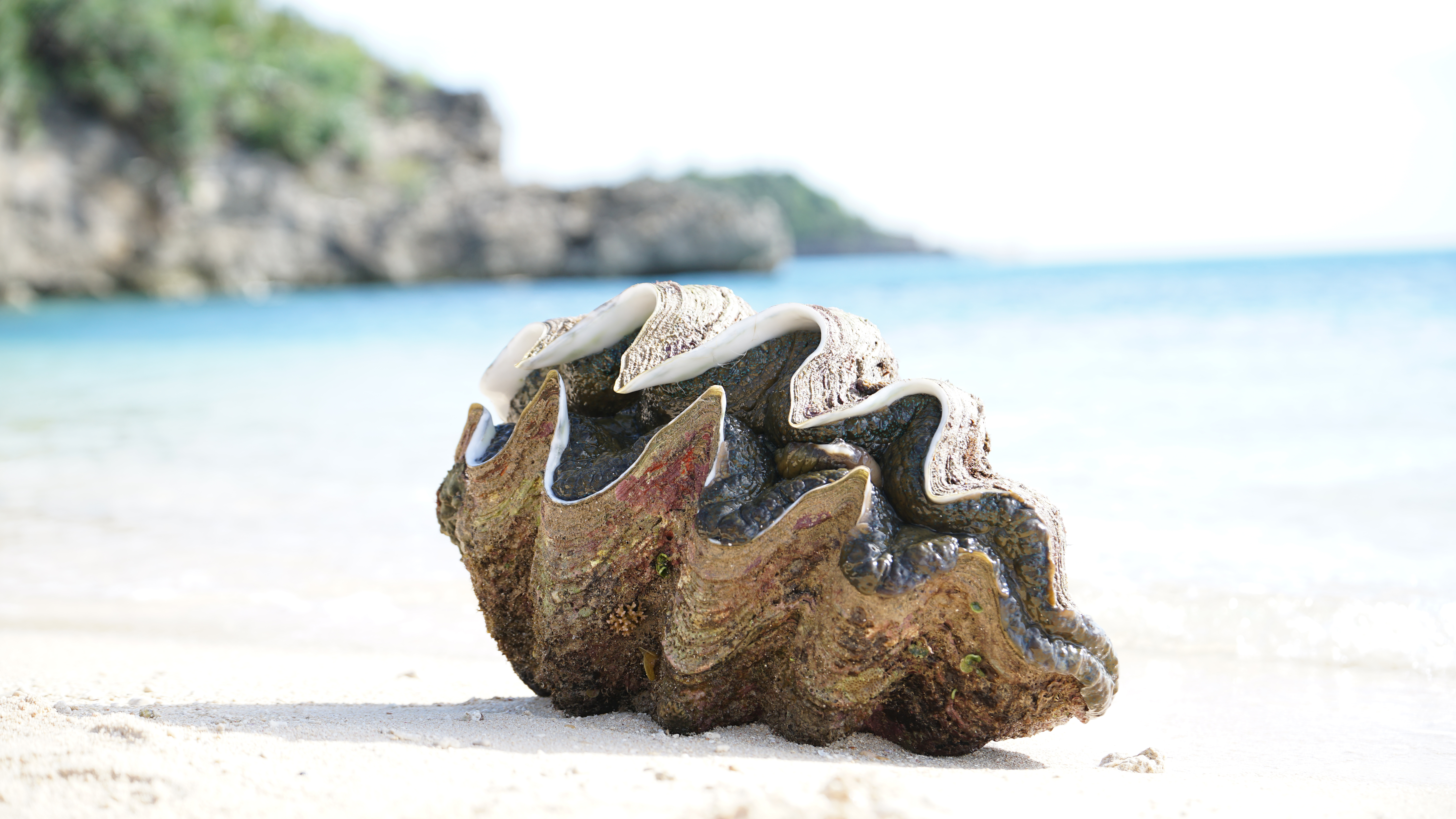
Among the most impressive—and sometimes underappreciated—residents of our rich waters are giant clams, known scientifically as members of the family Cardiidae, subfamily Tridacninae. These animals are shelled mollusks, like oysters and mussels, but far more massive. Some of them reach over four feet across and weigh more than 200 kilograms when fully grown.
Unlike most shellfish, giant clams have specialized algae (zooxanthellae) within their body, which allows them to benefit from photosynthesis in a similar way to plants. They filter-feed on plankton and simultaneously harness sunlight to produce energy, making them both grazers and solar-powered producers.
Keystone Species
Marine biologists hold giant clams in high regard because of their role in their habitats. They are considered a keystone species that are critical to the health of coral reef ecosystems. This means that the existence of giant clams affects many other species in their area, some even relying on them, and are often an indicator of a habitat’s health.
Their large shells provide shelter for fish, crustaceans, and other small animals. The algae that they co-exist with provide these same animals a reliable source of food, supporting other marine life. Their filter-feeding helps improve water quality by removing excess nutrients and debris, making the reef cleaner and healthier.
Simply by thriving, giant clams foster reef resilience, promote coral growth, and support overall marine biodiversity. Without them, reef ecosystems could become imbalanced, leading to a cascade of negative outcomes for every other species in the area.
The role of the private sector
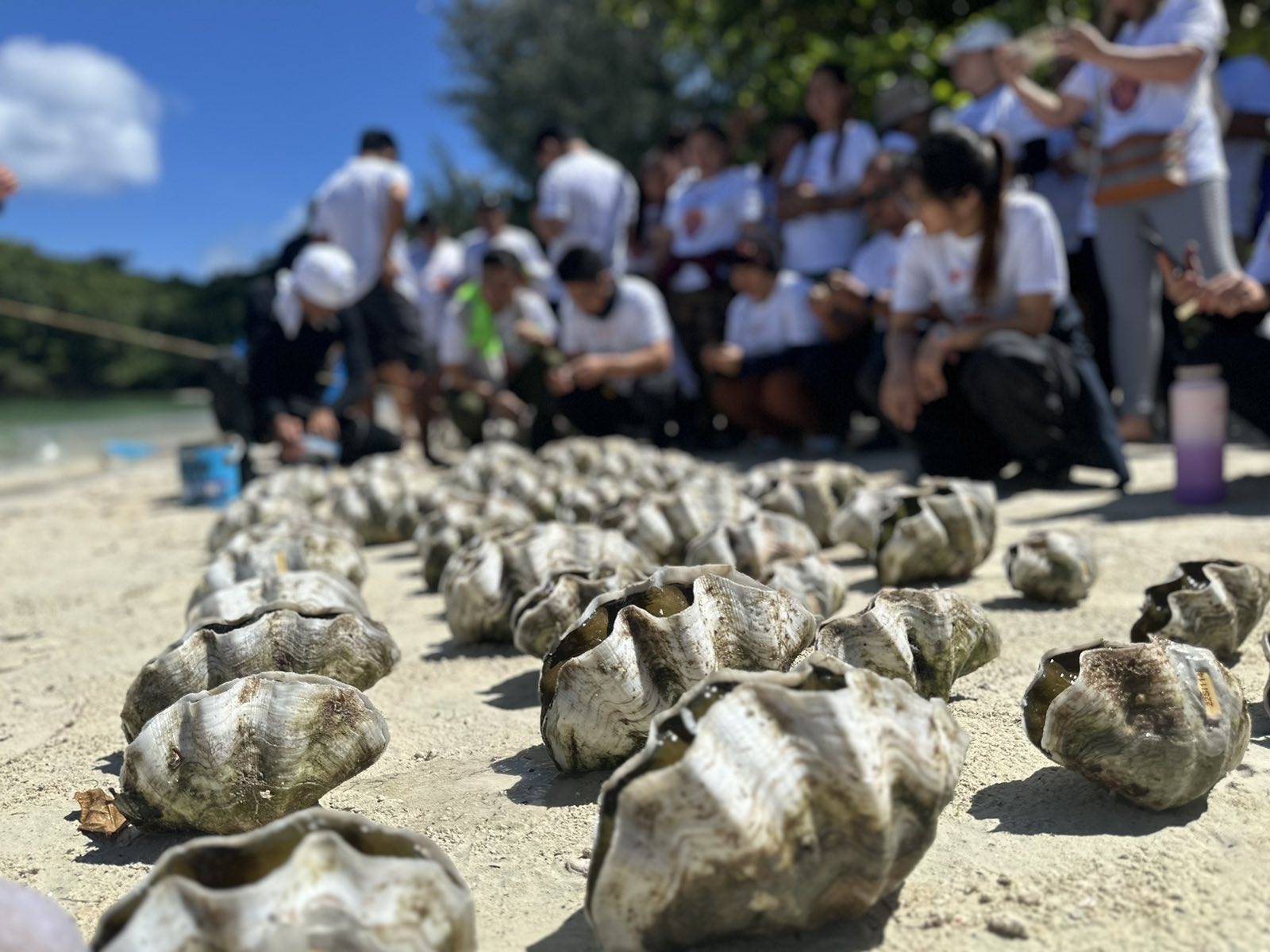
SMPC Employee volunteers during one of SMPC’s clam reseeding activities.
Recognizing their ecological importance and vulnerable status, SMPC took the initiative to help reverse the decline of giant clam populations.
In 2010, the company established the Semirara Marine Hatchery Laboratory (SMHL), the only privately-managed facility in the country dedicated to the propagation and breeding of giant clams. They paid special focus on the vulnerable Tridacna gigas, or the True Giant Clam, the largest of all clam species. Their presence in a habitat promotes marine life and biodiversity but they are considered Critically Endangered on the International Union for Conservation of Nature Red List.
Over the years, SMHL has successfully propagated over 191,000 clams of eight giant clam species, reseeding them along the coastal waters of Semirara Island. SMPC’s conservation activities also include artificial reef installations and mangrove planting, scientific collaborations with marine experts, and community-based education that raises awareness about marine conservation.
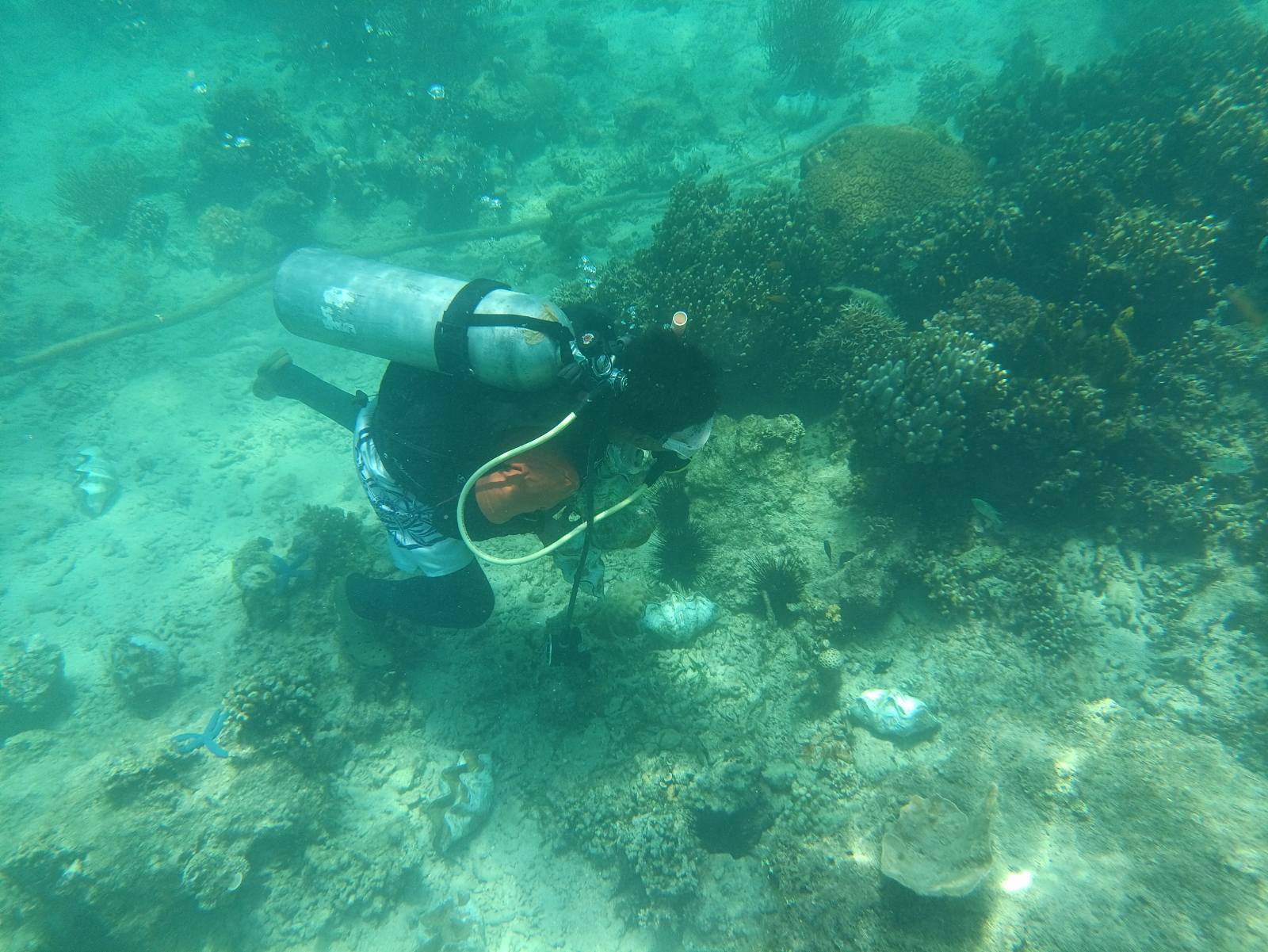
SMHL personnel conducting clam reseeding
Preserving and caring for giant clams is not just about protecting one vulnerable species—it’s about safeguarding the integrity and ensuring the sustainability of our marine ecosystems. Healthier reefs mean healthier fish populations, more stable marine habitats, and more resilient communities that rely on them. The consequences of reef habitat loss is far-reaching, and so the task of conservation cannot rest on governments and scientists alone.
Private entities like SMPC can play a crucial role. With their resources, logistical capacity, and influence, they are uniquely positioned to scale up preservation efforts. By investing in sustained advocacies and establishing permanent institutions like SMHL, SMPC demonstrates that corporate responsibility and environmental stewardship can go hand-in-hand.
In saving giant clams, we’re not just protecting a natural treasure. We’re investing in the health of our oceans, our communities, and our planet.
To know more about SMHL’s initiatives, you may visit this link: https://www.semiraramining.com/environmental-stewardship/semirara-marine-hatchery-laboratory


 Back
Back